Where are Aramaic inscriptions found.
Aramaic inscriptions can be found in various regions throughout the ancient Near East. Aramaic was a widely used language in the ancient world and was employed by different civilizations for administrative, religious, and literary purposes. Here are some notable locations where Aramaic inscriptions have been discovered:
1. Mesopotamia (modern-day Iraq): Aramaic was extensively used in the Neo-Assyrian and Neo-Babylonian empires, and numerous Aramaic inscriptions have been found in cities such as Nineveh, Babylon, and Nimrud.
2. Syria: Aramaic was spoken widely in ancient Syria, and inscriptions have been found in cities like Palmyra, Aleppo, and Damascus.
3. Israel and Palestine: Aramaic became the lingua franca of the region during the Persian period and later. Aramaic inscriptions have been discovered in sites like Jerusalem, Samaria, and the Dead Sea Scrolls found near the Qumran caves.
4. Egypt: Aramaic was used by the Jewish community in Egypt, particularly in the city of Elephantine. Aramaic papyri containing legal and administrative documents have been found there.
5. Iran: Aramaic was used as an administrative language in the Achaemenid Persian Empire. Inscriptions in Aramaic have been found in areas such as Persepolis and Susa.
6. Turkey: Aramaic inscriptions dating from the Hellenistic and Roman periods have been discovered in regions like Cilicia, Hatay, and southeastern Turkey.
7. Yemen: Aramaic inscriptions have been found in ancient Himyarite sites in southern Arabia, dating back to the 4th century BCE.
These are just a few examples, as Aramaic inscriptions can be found in various other locations across the ancient Near East, reflecting the widespread use and significance of the Aramaic language during that time.
Important Aramaic inscriptions
Several important Aramaic inscriptions hold historical, religious, or cultural significance. Here are some notable examples:
 |
| The Behistun Inscription |
1. The Behistun Inscription: Carved into a cliffside in present-day Iran, the Behistun Inscription is a trilingual inscription containing Old Persian, Elamite, and Aramaic texts. It was commissioned by the Achaemenid king Darius I in the 5th century BCE and provides a key to deciphering cuneiform script. The Aramaic portion of the inscription provides a translation of the Old Persian text.
 |
| Papyrus with Aramaic translation of the Behistun Inscription. |
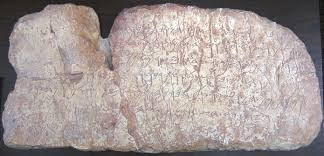 |
| The Siloam Inscription |
2. The Siloam Inscription: Discovered in Jerusalem's Siloam Tunnel, this inscription dates back to the 8th century BCE and describes the construction of the tunnel during the reign of King Hezekiah of Judah. It is one of the oldest known examples of Hebrew writing and includes Aramaic influences.
 |
| Papyrus from Elephantine |
3. The Elephantine Papyri: These are a collection of documents written in Aramaic and other languages found on the island of Elephantine in Egypt. They date from the 5th century BCE and provide insights into the lives and religious practices of the Jewish community living there.
 |
| Dead Sea Scroll Qumran ,Bible. |
4. The Dead Sea Scrolls: Among the Dead Sea Scrolls, a collection of Jewish texts from the 2nd century BCE to the 1st century CE, there are numerous Aramaic documents. These texts include biblical and sectarian manuscripts, prayers, legal texts, and other writings, shedding light on Jewish life and beliefs during that period.
 |
| Inscription in Palmyrene Aramaic |
5. The Palmyrene Inscriptions: Palmyra, an ancient city located in present-day Syria, had a distinct Aramaic dialect known as Palmyrene. The city's monuments and tombs feature numerous inscriptions in Palmyrene Aramaic, providing valuable information about the people, culture, and history of Palmyra.
6. The Sefire Inscriptions: Discovered in the region of modern-day Syria and Turkey, the Sefire inscriptions date from the 8th to the 3rd centuries BCE. They are written in Imperial Aramaic and provide insights into the political and cultural dynamics of the Neo-Assyrian and Achaemenid empires.
These inscriptions, among others, contribute to our understanding of ancient languages, civilizations, historical events, and religious practices in the ancient Near East.
Comments
Post a Comment
Add comnent